

A Cultivation Free from Diseases
Since the contact between the plants is minimalized and every spray-impulse can be sterile, the aeroponics is capable to limit disease transmission. With soil, mineral aggregates or other growing media, diseases can spread out beyond the entire growth-media and infect lots of other plants. In most greenhouses the sterilization of the firm growing media is necessary after each harvest. A lot of times they just get rid of them and replace them with new, sterile media.
![Ein Anbau frei von Krankheiten]()
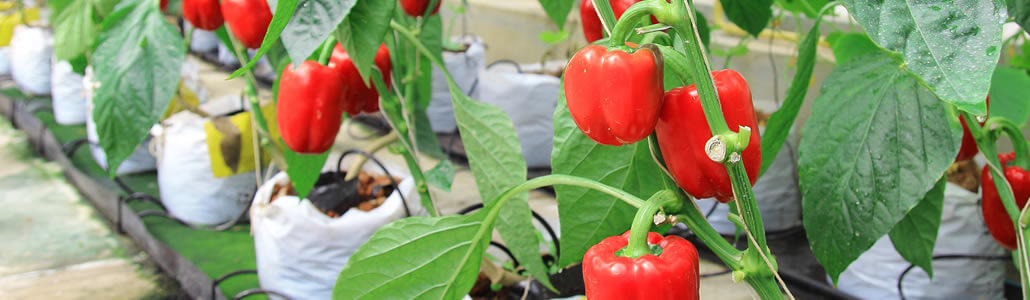
A clear advantage of the aeroponics technology is that a plant, if it should be infected, can be removed fast from the supporting structure without infecting or disturbing the other plants.
In a modern greenhouse one succeeded in 1986 for the first time in growing basil from seeds in an aeroponics system.
Since only with the areoponics a surrounding free of diseases is possible, a lot of plants can grow with a higher density (plants per square meter) in comparison to traditional forms of cultivation (Hydroponics, soil, NTF). Commercial aeroponics systems contain a hardware equipment, which adapt itself to the expanding root system of the agricultural crop.
The scientists du Toit, L.J., H.W. Kirby and W.L. Pedersen (1997) wrote "Evaluation of an Aeroponics System to Screen Maize Genotypes for Resistance to Fusarium graminearum Seedling Blight”.
They described the aeroponics as a useful, easy and fast method for the preliminary inquiry of genotypes regarding the resistance to seedling- or root rot.
The isolation of the plants gave the scientists the possibility to prevent problems, which would have occurred if they did the research of the diseases on soil-cultures.
A clear advantage of the aeroponics technology is that a plant, if it should be infected, can be removed fast from the supporting structure without infecting or disturbing the other plants.
In a modern greenhouse one succeeded in 1986 for the first time in growing basil from seeds in an aeroponics system.
Since only with the areoponics a surrounding free of diseases is possible, a lot of plants can grow with a higher density (plants per square meter) in comparison to traditional forms of cultivation (Hydroponics, soil, NTF). Commercial aeroponics systems contain a hardware equipment, which adapt itself to the expanding root system of the agricultural crop.
The scientists du Toit, L.J., H.W. Kirby and W.L. Pedersen (1997) wrote "Evaluation of an Aeroponics System to Screen Maize Genotypes for Resistance to Fusarium graminearum Seedling Blight”.
They described the aeroponics as a useful, easy and fast method for the preliminary inquiry of genotypes regarding the resistance to seedling- or root rot.
The isolation of the plants gave the scientists the possibility to prevent problems, which would have occurred if they did the research of the diseases on soil-cultures.
